 © Sophie Irvine 2013
Made with Xara
© Sophie Irvine 2013
Made with Xara









 White CherrY Therapy



 History
Modern reflexology is based on an ancient form of therapy. There is evidence of some form of foot and hand
History
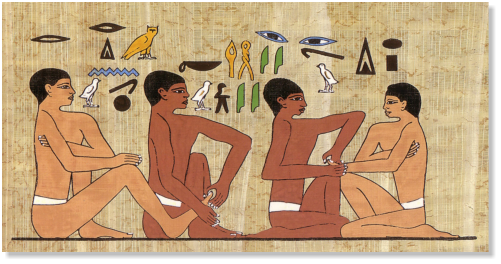
Modern reflexology is based on an ancient form of therapy. There is evidence of some form of foot and hand therapy being practised in China as long ago as 4,000 B.C. and also at the same time in Egypt, as depicted in
the tomb of Ankmahor. The North American tribes of Indians are known to have practised a form of foot therapy
for hundreds of years.
The more modern form of reflexology
was first pioneered by an ear, nose and
throat surgeon by the name of Dr
William Fitzgerald (1872-1942). Dr
Fitzgerald was the founder of Zone
Therapy, which was an earlier form of
reflexology. He discovered that exerting
pressure on the tips of the toes or
fingers caused corresponding parts of
the body to become anaesthetised. From
this, Dr Fitzgerald divided the body into ten equal zones, which ran
from the top of the head to the ends of the toes.
However, reflexology as we know it today was pioneered by a woman
called Eunice Ingham (1889 - 1974), or the mother of modern
reflexology. Eunice Ingham was a physiotherapist working in a doctor's
practise using the zone therapy developed by Dr Fitzgerald. Ms Ingham
thought, however, that it would be more effective to be practised on
the feet rather than the hands. After extensive research, she
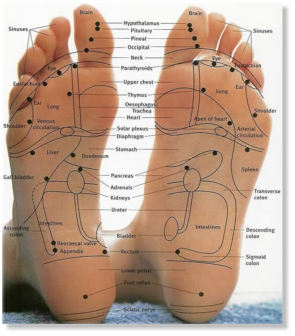
developed the map of the entire body on the feet - where one point on
the foot corresponds to a certain part of the body. By using
acupressure or massage techniques on these points, a positive effect is
created in the corresponding body part.
therapy being practised in China as long ago as 4,000 B.C. and also at the same time in Egypt, as depicted in
the tomb of Ankmahor. The North American tribes of Indians are known to have practised a form of foot therapy
for hundreds of years.
The more modern form of reflexology
was first pioneered by an ear, nose and
throat surgeon by the name of Dr
William Fitzgerald (1872-1942). Dr
Fitzgerald was the founder of Zone
Therapy, which was an earlier form of
reflexology. He discovered that exerting
pressure on the tips of the toes or
fingers caused corresponding parts of
the body to become anaesthetised. From
this, Dr Fitzgerald divided the body into ten equal zones, which ran
from the top of the head to the ends of the toes.
However, reflexology as we know it today was pioneered by a woman
called Eunice Ingham (1889 - 1974), or the mother of modern
reflexology. Eunice Ingham was a physiotherapist working in a doctor's
practise using the zone therapy developed by Dr Fitzgerald. Ms Ingham
thought, however, that it would be more effective to be practised on
the feet rather than the hands. After extensive research, she
developed the map of the entire body on the feet - where one point on
the foot corresponds to a certain part of the body. By using
acupressure or massage techniques on these points, a positive effect is
created in the corresponding body part.

 © Sophie Irvine 2013
Made with Xara
© Sophie Irvine 2013
Made with Xara